From Literature Management to Research Workflow: A Compilation of Learning Resources from the Zotero Workshop Series
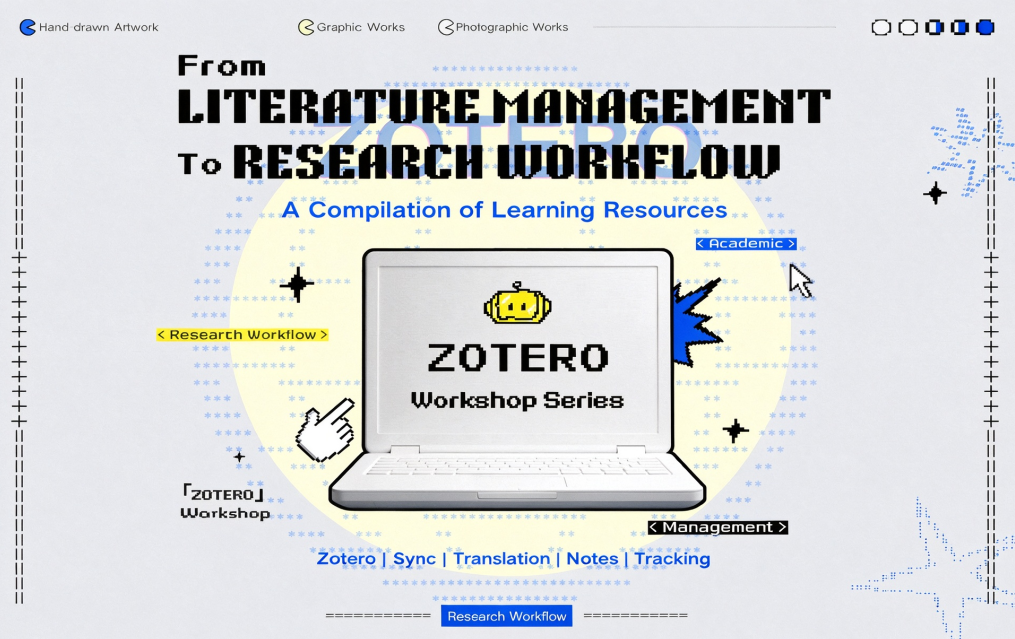
Still getting overwhelmed by piles of literature? Literature dispersion is difficult to manage, the citation format is adjusted back and forth, and it is difficult to synchronize data between multiple devices. Are those the most headache thing when writing a paper? Literature management is not only about collecting and storing literature, but also an important link that runs through literature reading, knowledge accumulation, and academic writing! The WKU Library Zotero Series Workshop collection is here, taking you to unlock this open-source literature tool. With just one click, you can easily capture literature, take notes, and automatically generate references, bidding farewell to tedious literature trivialities.
01. About Zotero
As academic research and paper writing progress, literature management is not simply a matter of storing materials; rather, it is a foundational component that runs through the entire process of academic reading, knowledge organization, and thesis writing. As research deepens, challenges such as scattered literature sources, difficulties in document organization, inconsistent citation formats, and limited cross-device usability gradually emerge, subsequently affecting efficiency in academic reading, knowledge management, and paper writing.
As a widely used reference management tool, Zotero supports the collection of bibliographic information, PDF management, tag-based classification, note-taking, reference generation, and multi-device data synchronization. Focusing on the installation, use, and functional extension of Zotero, the WKU Library has conducted five thematic workshops covering basic installation, literature translation, data backup and multi-device synchronization, literature information tracking, and note-flow construction.
02.Main Content
Zotero Basic Tutorial: Installation and Usage
This workshop was primarily designed for Zotero beginners, introducing Zotero client installation, basic usage, literature management, browser extension configuration, and AI-assisted reading. Through hands-on demonstrations, it aimed to help users establish a structured literature management system.
Zotero Advanced Tutorial: Implement Translation Function
This workshop focused on literature translation and bilingual reading needs within the Zotero environment, centering on the installation and configuration of tools such as PDF2zh. The session emphasized not only the translation function itself but also the interrelationships among the plugin environment, local Python environment, dependency library installation, and the configuration of translation interfaces or model services.
For users who need to read foreign-language literature, translation tools can assist with initial comprehension, bilingual comparison, and the extraction of key information. However, during use, it remains essential to cross-check against the original text and avoid relying entirely on translation outputs.
Zotero Advanced Tutorial: Data Backup and Multi-Device Sync
This workshop addressed Zotero’s data management, multi-device usage, and backup and recovery. The session covered Zotero’s synchronization mechanism, attachment management, WebDAV configuration, and local data backup, helping users understand the underlying mechanism of Zotero data synchronization across devices.
Zotero Advanced Tutorial: Practical Research Tools
This workshop further expanded Zotero’s application in literature information tracking and research assistance, covering topics such as RSS feeds, journal information queries, citation count updates, and ZotWatcher tool configuration. Building on users’ proficiency in literature management, the session aimed to help them construct an efficient research tracking system for continuously tracking research developments, monitoring journal information in real time, and systematically expanding literature leads.
Zotero Advanced Tutorial: Building a Note Flow
This workshop focused on Zotero reading annotations and structured note generation, centered on the collaborative configuration of plugins such as Ethereal Style, Actions & Tags, and Better Notes. The session demonstrated a complete workflow spanning from color-coded PDF annotations to tag generation and subsequently to structured note import.
It should be noted that this approach is one configuration pathway involving plugin coordination and is not the only method for organizing notes in Zotero. Users may adjust the tag system, color rules, and note templates according to their own reading habits and writing needs.
Zotero Workshop Supporting Materials

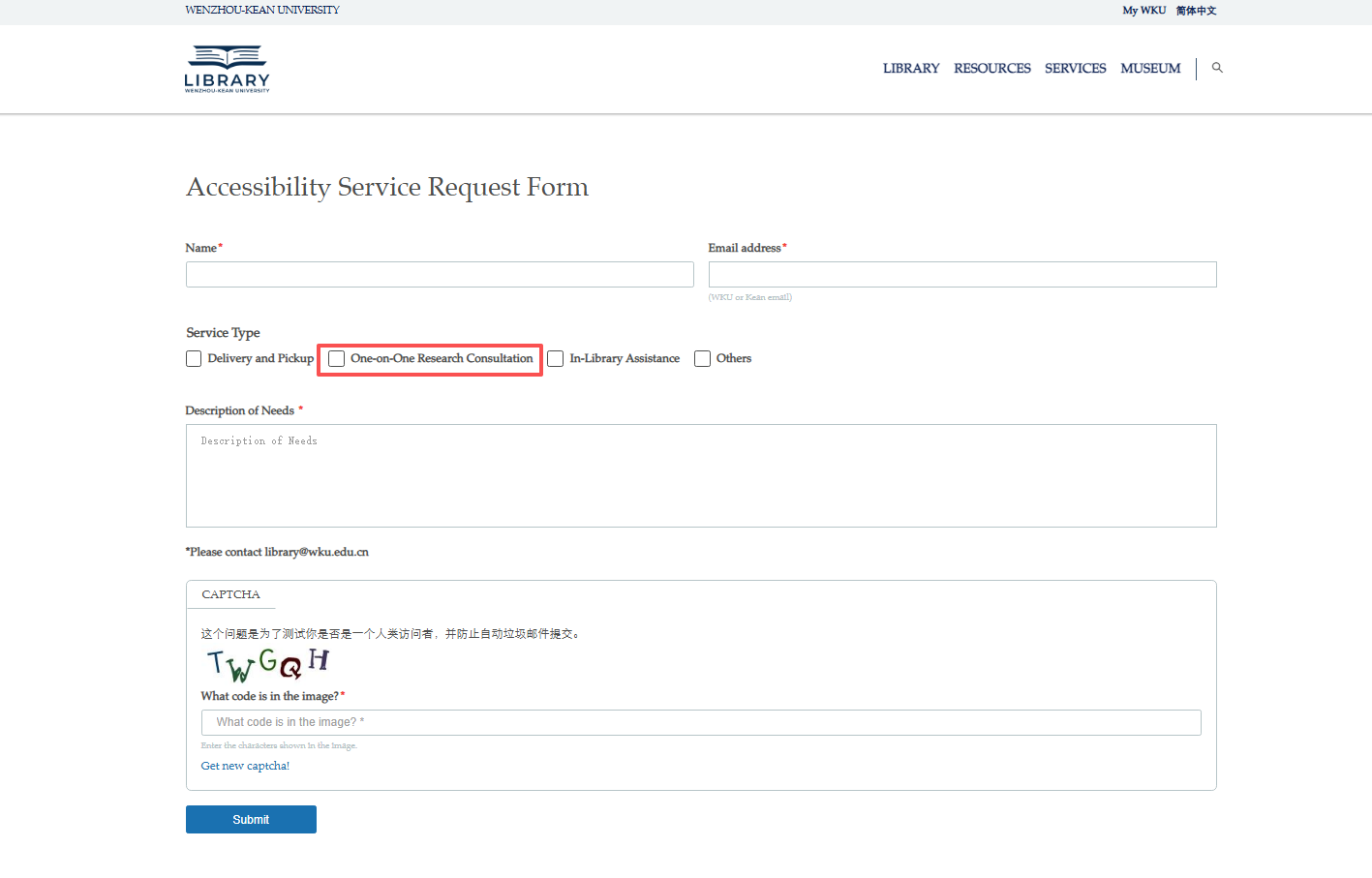
If you have any questions about using Zotero, please feel free to email library@wku.edu.cn or fill out the Accessibility Service Request Form (https://library.wku.edu.cn/en/fuzhuxingfuwushenqingbiao) to schedule a one-on-one consultation with a subject librarian.
Lakefront Academy
Lakefront Academy (Shu Hu Xue Tang) is an important platform for academic exchange and practice sharing at the Wenzhou-Kean University Library. It is dedicated to bringing together a wealth of activities such as lectures, seminars, workshops, academic competitions, and professional training, to set up a sparkling stage for the whole community to stimulate and inspire their thoughts.